jurnexio Contact
Projects

Studio work in pictures: rooms, rigs and routines

A look at the kinds of scenes our work takes place in, from cable runs and lighting rigs to the gallery during a live show.
Studio work in pictures: rooms, rigs and routines
On the floor

The details that make a studio run smoothly

Good studio work is mostly small, practical decisions: where a cable runs, how a light is angled, where a microphone sits. These scenes show the settings and steps our services deal with.

Floor layout and cable routes

Floor layout and cable routes

Planning starts with the room itself: where cameras travel, where cables run so nobody trips on them, and how much space the crew needs to move without crossing into shot.
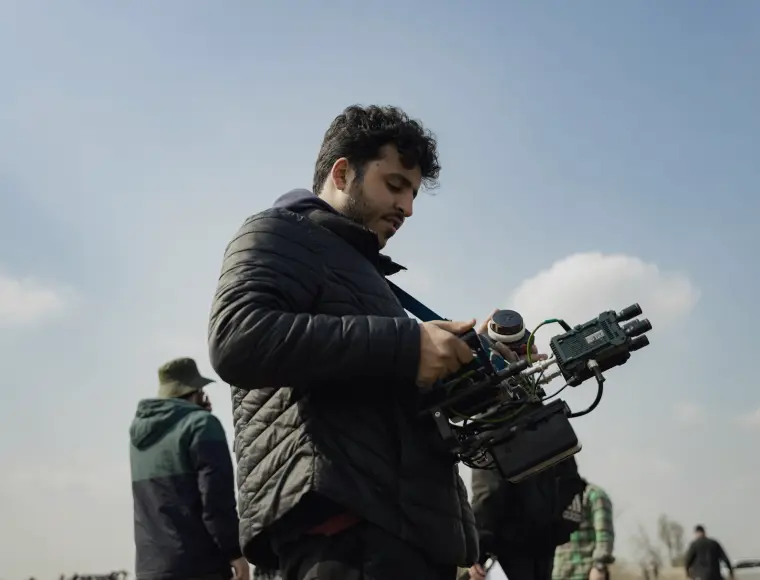
Pedestal camera in operation

Pedestal camera in operation

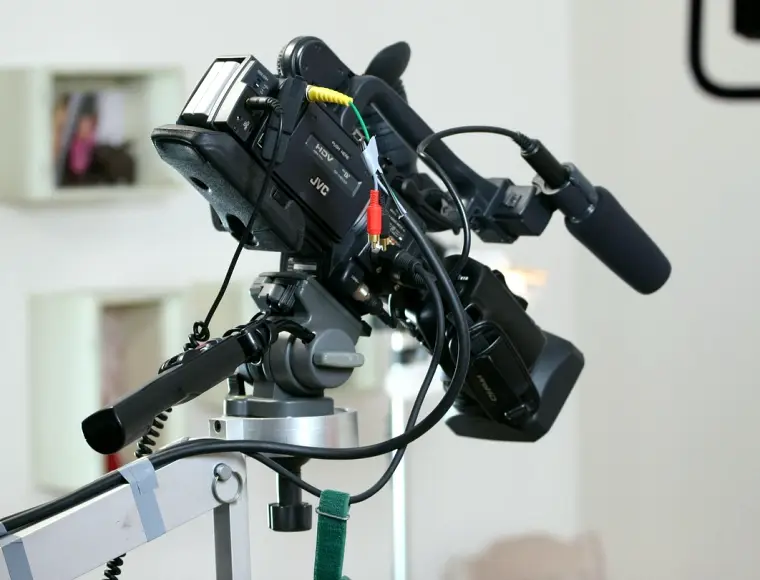
Smooth movement comes from practice with framing, height and focus. Training sessions are run on the pedestal and handheld cameras the crew will actually use.
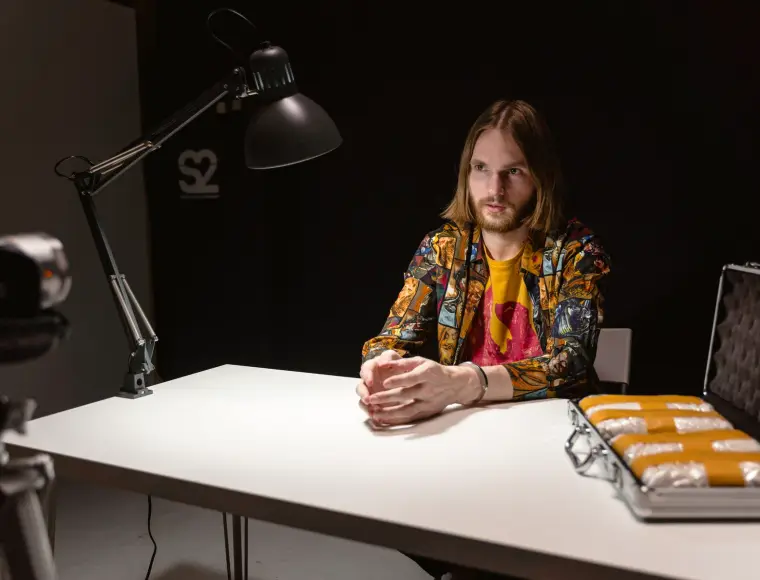
News desk lighting

News desk lighting

A key light, a softer fill and some separation from the background give presenters a clear, natural look. Plans are drawn up for the desk, the interview chair or the portrait set.

Microphone placement

Microphone placement

Speech stays clear when microphones sit at a consistent distance and out of the way of movement. We set positions and check them against how people really behave on air.
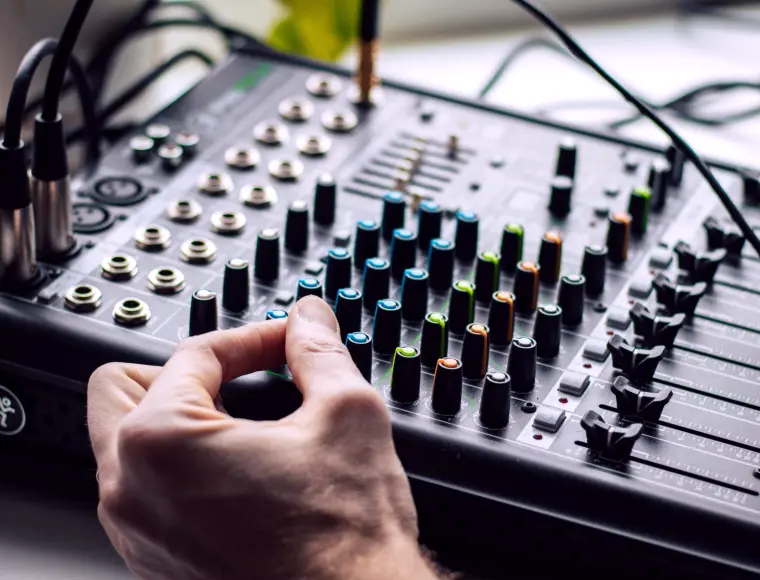
Mixing and monitoring

Mixing and monitoring

A tidy audio desk, sensible labelling and reliable monitoring help the operator hear what viewers hear, so problems are caught before they reach the broadcast.
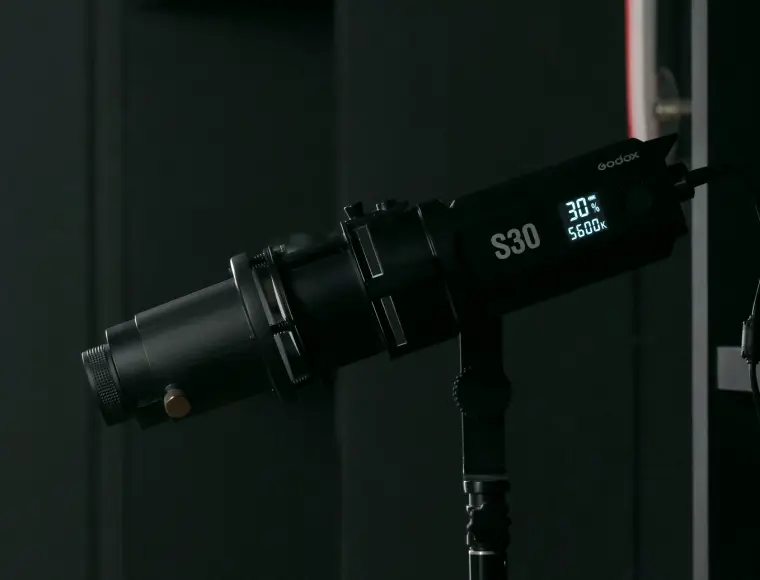
The gallery during a live show

The gallery during a live show

Vision mixing, cueing and talkback all depend on clear roles and short, agreed phrases. Reviews look at how the team communicates when a show is running.

Service in detail

How a Live Show Workflow Review runs from start to finish

  1. Briefing and show details

    We begin by learning what you broadcast, how long it runs and who does what. Running orders, crew lists and any notes you already keep help us see how the show is meant to run.

  2. Observing the gallery

    We watch a rehearsal or a live show, listening to cueing, talkback and the way decisions are made. We note where messages are repeated, missed or left unclear.

  3. Written findings

    Observations are set out in a plain document, with each suggestion described and ranked by how easily it can be put in place. Nothing is left as a vague impression.

  4. Walking through the changes

    We go through the findings with your team, answer questions and agree which changes to try first. The aim is routines that new crew can learn quickly and repeat.

  • 2012 Founded
  • 5 Service areas
  • 4 Team profiles